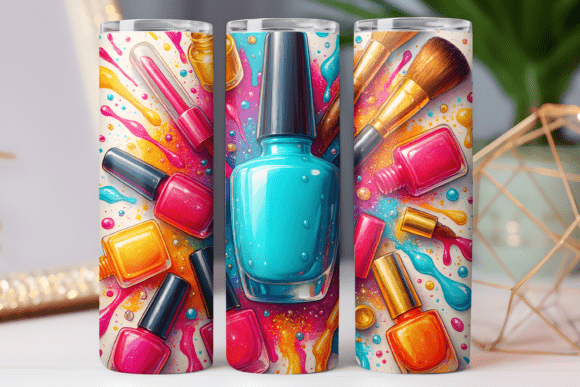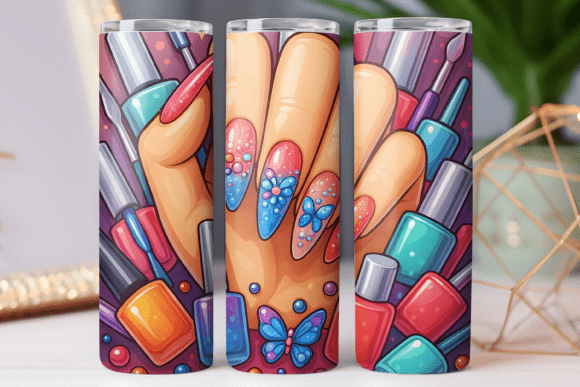
3d Nail Art Tumbler Wrap 20oz Png Art
As a designer who spends more time than I care to admit staring at stitch density charts and debating the merits of tear-away versus cut-away stabilizer, I approach every new digital asset with a healthy dose of skepticism. The market is flooded with generic clipart, but finding a design that translates well from screen to fabric—especially one that maintains its visual integrity after the hoop tension and needle penetrations—are rare finds. Today, I am evaluating 3d Nail Art Tumbler Wrap 20oz Png Art, a graphic intended for sublimation on skinny tumblers, to see if it holds up under the scrutiny of real-world application, even if we are looking at it through the lens of an embroidery professional.
First Impressions: Visual Personality and Mood
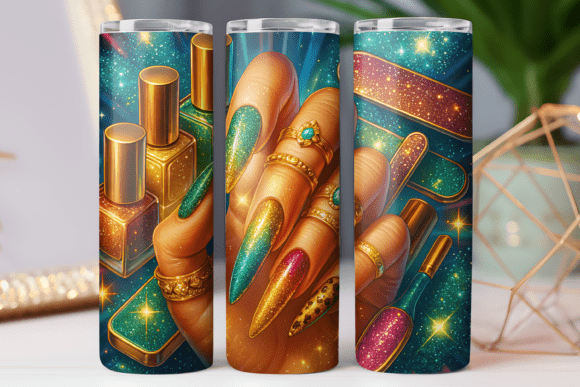
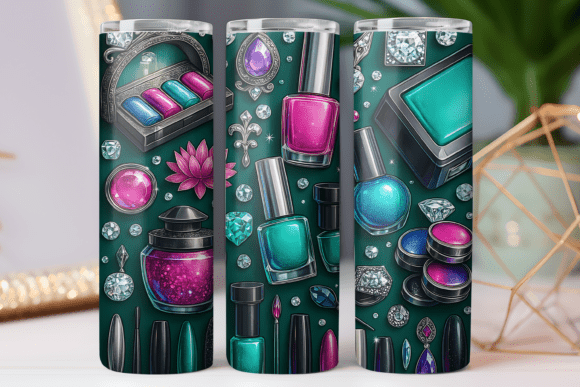
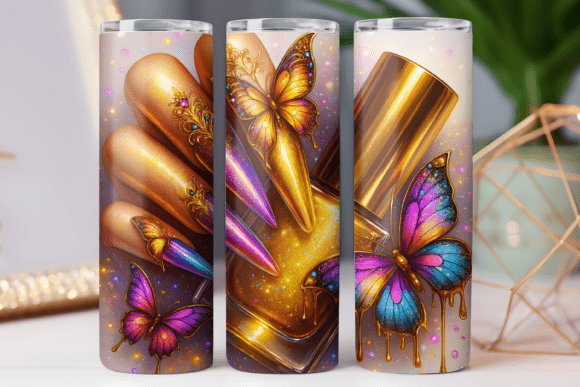
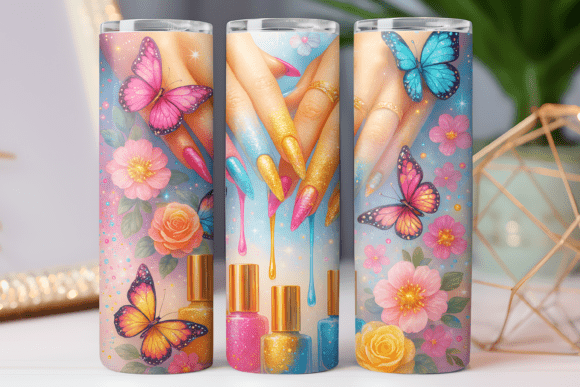
The moment you load this file into your design software, the aesthetic speaks loudly. It captures a very specific, modern mood: trendy, feminine, and highly detailed. The "3D nail art" theme suggests a focus on texture and depth, mimicking the glossy, dimensional look of contemporary acrylic nails. For a tumbler wrap, this works because the vertical orientation of a 20oz skinny tumbler naturally complements the elongated shapes often found in nail art designs.
However, as an embroidery reviewer, my eyes immediately go to the complexity. Does the design rely on subtle gradients that will muddy when converted to thread? Or does it use bold outlines and distinct color blocks that can be replicated with satin stitches? This particular Graphics category item leans heavily into the visual appeal of the final printed product. When viewing it as a potential embroidery project, one must ask: does the layout allow for clean digitizing? The answer is generally yes, provided the digitizer understands how to break down the "nail art" elements into manageable stitch paths rather than trying to replicate every pixel of the PNG.
Real-World Application: Beyond the Tumbler
While the product title explicitly mentions a Tumbler Wrap, savvy Etsy seller and small shop product creators know that versatility is key to profitability. I recently considered using a similar high-detail graphic concept for a custom embroidered tote bag line targeting young professionals. Would 3d Nail Art Tumbler Wrap 20oz Png Art work there? Absolutely.
Imagine this design adapted for a custom apparel piece, such as a cropped hoodie or a baby onesie. The intricate details translate beautifully into machine embroidery design formats if handled correctly. For a personalized gift scenario, think about a bridal party gift set: a customized cap featuring the main motif, paired with a matching embroidered patch for a denim jacket. The visual weight of the design is substantial enough to stand out on a large surface like a tote bag, yet refined enough to feel luxurious on smaller items like a tea towel or a nursery decor pillow cover.
In terms of customer reaction, this design taps into current social media trends. Customers buying handmade goods are often looking for items that feel "Instagrammable." A finished product featuring this level of detail signals quality and attention to trend awareness. It elevates a basic commodity item into a boutique brand statement. Whether it ends up on a sweatshirt embroidery piece or a kitchen towel, the perceived value increases because the design itself looks expensive and carefully curated.
Technical Considerations for Embroidery Conversion
This is where the rubber meets the road. The source file is a PNG designed for sublimation, which means it is likely raster-based with complex shading. To use this as an embroidery file or to digitize it yourself, several critical steps must be taken to ensure the finished product does not look cluttered or puffy in unintended ways.
- Stitch Density Management: The original graphic may have dense areas that represent shadows or highlights. In embroidery, too much fill stitch in one area can cause puckering. You must simplify these areas, perhaps converting them to running stitch or reducing the number of passes.
- Satin Stitch Clarity: The outlines of the nail art elements need crisp satin stitch borders to define the shapes against the fabric. If the lines are too thin in the original PNG, they may disappear entirely during stitching.
- Thread Color Selection: The beauty of the original lies in its color palette. When selecting thread colors, avoid overly bright neon threads unless the base fabric supports them. Opt for high-quality polyester threads that mimic the gloss of the original image without creating glare under flash photography.
- Hoop Size Constraints: Ensure the design fits within your standard hoop sizes. If scaling up for a large tote bag design, check that the aspect ratio remains true to the original vision.
Where to Exercise Caution
No design is universally perfect, and 3d Nail Art Tumbler Wrap 20oz Png Art has specific contexts where it might struggle. First, avoid attempting this on textured fabrics like heavy boucle wool or raw linen without extensive testing; the background noise of the fabric will compete with the fine details of the nail art. Similarly, stretchy fabric requires a strong stabilizer backing to prevent the intricate design from distorting during the sewing process.
Dark fabrics present another challenge. While sublimation handles dark backgrounds by printing white ink underneath, embroidery relies on thread coverage. You may need a dense underlay or a contrasting thread color for the background to ensure the design pops. Furthermore, be wary of small hoop sizes. If the design includes tiny decorative accents or delicate lettering, shrinking it down to fit a small cap brim or a baby item's chest area may result in lost details. Always inspect the design assets at actual size before committing to production.
Final Verdict for the Creative Entrepreneur
For the craft business owner or the digital product seller, this design offers a strong foundation for a cohesive brand identity. It is versatile enough to span multiple product categories, from holiday embroidery gifts to everyday commercial embroidery orders. The key to success lies in respecting the source material while adapting it intelligently for the medium of thread.
I recommend starting with a test run on scrap fabric that mimics your most common end-use material. Check the stabilizer choice, review the thread colors for contrast, and print a black-and-white mockup to ensure the composition still reads clearly without color cues. By doing so, you transform a simple sublimation digital download into a premium handmade product that commands respect and drives sales. If executed with care, this design is not just a pattern; it is a brand builder.