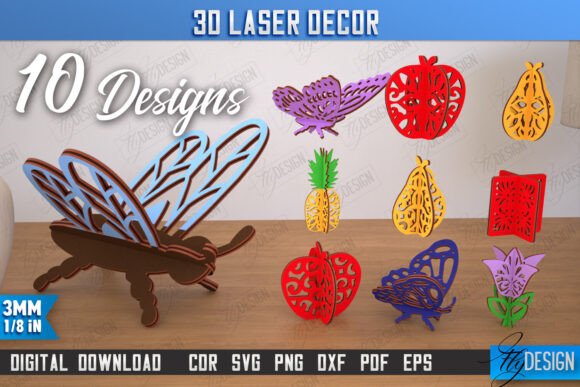
3D Laser Décor Bundle Natural Design: A Designer’s Take on Laser Cutting and Other Home Decor
When a client comes to me asking for a brand identity that feels "organic," "handcrafted," yet undeniably modern, I immediately think about texture and materiality. We are not just designing pixels; we are designing an experience. Recently, I was reviewing a new asset for a boutique candle maker who wanted to bridge the gap between digital marketing visuals and physical product packaging. That is when 3D Laser Décor Bundle Natural Design caught my eye. It is not merely a clipart file; it is a strategic design tool that speaks directly to the current trend of tactile, nature-inspired aesthetics.
As a professional graphic designer, I do not buy assets blindly. I evaluate them based on versatility, file integrity, and how well they integrate into a broader visual system. This bundle, which includes CNC files optimized for laser cutting machines, offers a unique intersection of digital precision and artisanal charm. Here is my practical review of how this asset performs in real-world commercial projects.
The First Impression: Organic Geometry Meets Precision
The moment you open the files associated with 3D Laser Décor Bundle Natural Design, the quality is evident. The lines are clean, the curves are smooth, and the geometry feels intentional rather than random. For designers working in brand identity or packaging design, this distinction matters immensely. There is a specific mood here—one of warmth, sustainability, and quiet luxury.
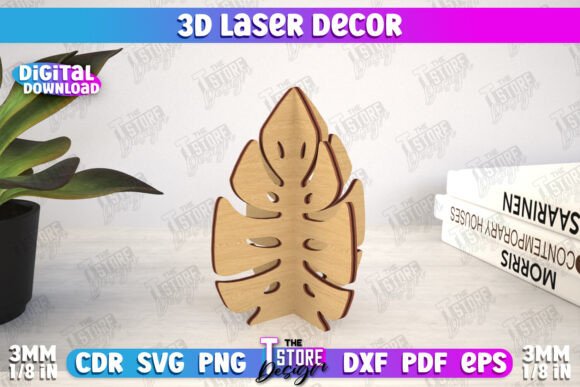
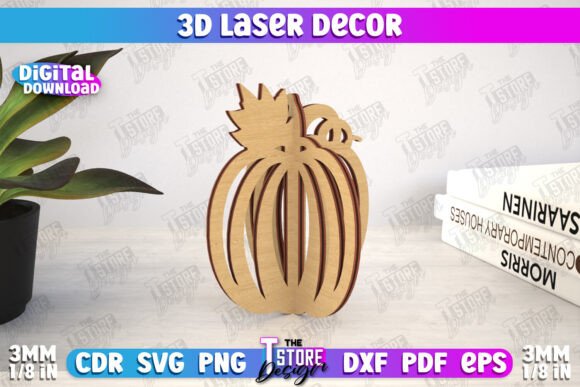
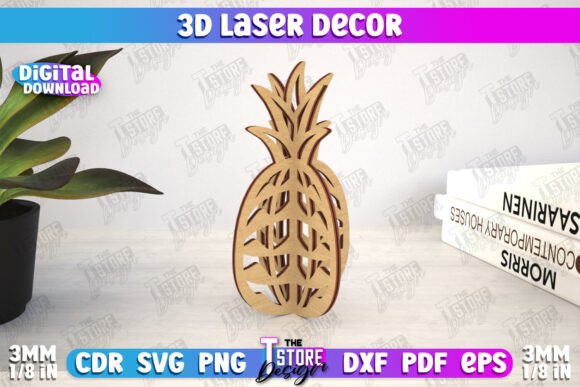
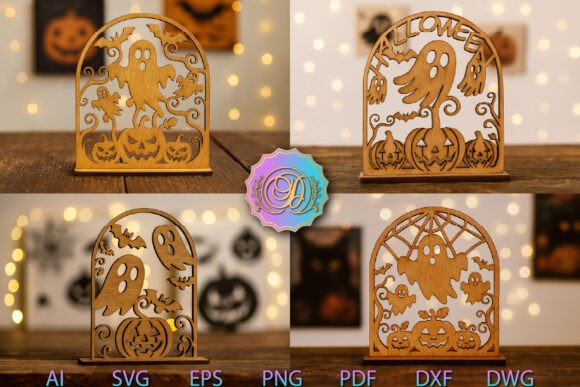
The design language leans heavily into natural motifs, likely featuring botanical elements, geometric leaves, or abstract organic shapes. This makes it an excellent fit for clients in the wellness, home goods, or handmade lifestyle sectors. Unlike generic floral illustrations that can feel dated, these vector paths have a contemporary edge. They suggest that the final product—whether it is a wooden sign, a decorative wall hanging, or a printed label—is part of a curated, thoughtful collection. When I previewed this asset in a mockup for a local artisan market campaign, it instantly elevated the entire layout. It provided a focal point that felt both grounded and sophisticated.
Practical Applications in Commercial Design
One of the most compelling aspects of this bundle is its dual utility. It serves as both a digital graphic design asset and a physical production guide. Let us break down where this fits into a typical designer’s workflow.
- Packaging Design and Labels: For small business branding, the unboxing experience is critical. Using these designs on kraft paper labels or cardboard inserts adds a layer of perceived value. The intricate details translate beautifully to print, creating a tactile connection with the customer before they even open the box.
- Social Media Graphics and Pinterest Pins: In the world of marketing visuals, stopping the scroll is half the battle. High-contrast, detailed vector art stands out against busy feeds. Whether you are creating Instagram posts or Etsy product listings, these assets provide immediate visual interest without requiring complex photo editing.
- Merchandise and Print-on-Demand: If you are a print-on-demand seller or work with Cricut users, this bundle is a goldmine. The files are structured for laser cutting, meaning the SVG design components are ready for direct fabrication. You can create wooden coasters, decorative trays, or wall art that matches your digital branding perfectly.
- Editorial and Web Design: Even if the final product is digital, these assets serve as powerful accents. Placing a subtle, semi-transparent version of the decor pattern as a background texture can add depth to a website hero section or a blog post header without overwhelming the text.
Where to Use It (And Where to Be Cautious)
No design asset is a universal solution. My experience suggests that 3D Laser Décor Bundle Natural Design shines brightest in large layout areas and hero graphics. Because the detail is intricate, it demands space to breathe. It works exceptionally well as a standalone decorative accent or as a framing element for typography.
However, there are scenarios where caution is required. In minimalist branding or projects that rely on strict visual hierarchy, overly complex patterns can become noise. Avoid using these assets in very small sizes, such as favicon icons or tiny social media avatars, unless you simplify the path significantly. Furthermore, be mindful of crowded layouts. If your design already features heavy textures, multiple fonts, or dense information, adding this level of detail can confuse the viewer’s eye.
I also recommend avoiding low-contrast applications. Since these designs often mimic wood grain or natural tones, placing them on similarly colored backgrounds can cause them to disappear. Always ensure there is sufficient contrast between the asset and its background to maintain legibility and impact.
Technical Considerations for the Professional Designer
Before integrating any design bundle into a client project, rigorous testing is non-negotiable. Here are the steps I take to ensure quality control:
- File Format Inspection: Verify that you have the correct source files. For laser cutting, you need precise vector data. Check if the files include separate layers for cut and engrave operations. The instruction that red lines indicate cutting and black lines indicate engraving is a standard but crucial detail. Misinterpreting these can ruin a physical prototype.
- Scalability Test: Zoom in to 400% to check for jagged edges or unnecessary anchor points. A clean vector should remain crisp at any scale. If you plan to use this for sublimation design or large-format printing, high-resolution raster previews (PNG design) are also helpful for quick visualization.
- Color and Contrast Checks: Preview the asset in black and white. Does the shape still read clearly? Then test it on light and dark backgrounds. Ensure it maintains its integrity across different mediums, from screen to print.
- Typography Pairing: Consider how the font styles interact. These organic shapes pair beautifully with serif font choices for a classic look, or script font styles for a handcrafted vibe. However, they may clash with overly rigid sans serif font designs unless balanced carefully. Always compare the asset’s weight against your chosen typography.
- Licensing Verification: Finally, confirm the commercial license. Just because you can cut it does not mean you can sell unlimited copies. Ensure the terms allow for the specific type of client work you are undertaking, whether it is a one-off custom piece or mass-produced merchandise.
Final Verdict: A Versatile Tool for Modern Brands
In conclusion, 3D Laser Décor Bundle Natural Design is more than just a collection of pretty images; it is a functional component of a holistic design strategy. It bridges the gap between digital creativity and physical manufacturing, offering designers a seamless way to extend their brand identity into the tangible world.
For small business owners, content creators, and digital sellers, this asset provides a shortcut to a polished, professional aesthetic. It reduces the time spent searching for compatible elements and ensures consistency across all touchpoints, from your website to your product shelves. While it requires thoughtful placement and technical verification, the payoff is a design system that feels cohesive, authentic, and deeply engaging.
If you are looking to elevate your creative marketplace offerings or add a touch of refined nature-inspired elegance to your next project, this bundle is a worthy addition to your toolkit. It respects the craft of laser cutting while embracing the flexibility of modern other home decor trends. Use it wisely, test it thoroughly, and watch your designs come to life with renewed purpose and style.